Knee
Physiotherapy after knee replacement
Usually focuses on bending and straightening the knee, rebuilding thigh strength, and walking with confidence again.
Post operative physiotherapy · Northcliff
An operation is only one part of the journey. Post operative physiotherapy helps you rebuild movement, strength and confidence step by step, in line with your surgeon's guidance, so you can get back to everyday life and the things you enjoy.
Understanding recovery
After an operation, it's common for a joint to feel stiff, for muscles to weaken from being used less, and for swelling to linger. Confidence can take a knock too, especially when everyday movements suddenly feel uncertain.
A structured rehabilitation programme is a standard part of recovery after many orthopaedic operations. The timing and pace of your programme are guided by your surgeon and the type of surgery you've had.
By operation
Every operation has its own recovery path. These are some of the things post operative physiotherapy commonly focuses on.
Knee
Usually focuses on bending and straightening the knee, rebuilding thigh strength, and walking with confidence again.
Hip
Often centres on safe movement, hip and leg strength, balance, and getting back to walking and stairs.
Shoulder
Typically restores movement gradually, then strength, following the protocol your surgeon sets for a repair such as the rotator cuff.
ACL
Rebuilds knee movement, strength and control in stages, with a structured plan for a safe return to sport.
Spine
Focuses on gentle, guided movement, core and back strength, and posture as you return to daily activities.
Sports & spinal physiotherapy →Jaw
Gently restores how the jaw opens and moves, always in line with your surgeon's guidance.
TMJ physiotherapy →The approach
Recovery tends to move through a few broad stages. How quickly you move between them depends on your operation, your surgeon's protocol and how your body responds.
Managing swelling and discomfort, protecting the repair, and starting gentle, safe movement.
Gradually restoring range of movement and rebuilding the strength lost around the joint.
Balance, control and confidence for daily life, work and, where relevant, a planned return to sport.
Treatments & equipment
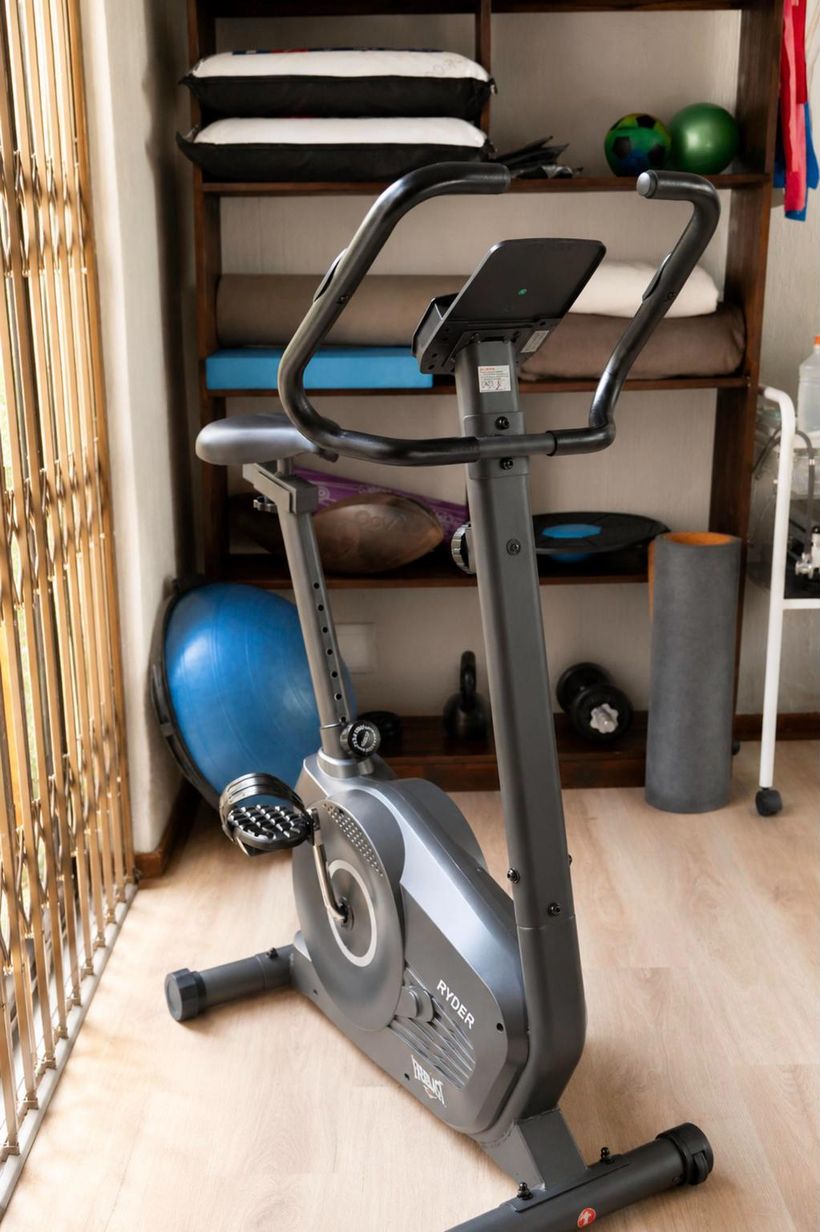
Exercise is the foundation of post operative physiotherapy. Alongside it, the practice's Dynamic Compression system can be used to support lymphatic drainage after surgery, and hands-on techniques may help with stiffness and scar tissue.
Treatments that may be used

What to expect
Every session is one-on-one in a calm, home-based practice. Your first visit starts with an assessment of how you're moving since your operation, and a plan that progresses at the right pace for you.
Your physiotherapist
Questions people ask
It depends on the operation and your surgeon's instructions. After some procedures, physiotherapy starts within days; after others, there is a period of protection first. Your surgeon's protocol sets the timing.
This varies from person to person, depending on how you were moving before surgery, how your recovery is going, and your goals. Mandy will give you a realistic idea after your assessment.
You don't need a referral to book. Post operative physiotherapy always follows your surgeon's guidance, so it helps to bring any discharge notes or rehab protocol you were given.
Managing swelling is often part of early rehab. The practice's Dynamic Compression system can be used to support lymphatic drainage after surgery, where it is suitable for you.
Northcliff Physiotherapy submits claims to all medical aids. How much is covered depends on your medical aid plan.
Please note: if you notice increasing redness or heat around your wound, discharge, a fever, or new pain and swelling in your calf after surgery, contact your surgeon or doctor straight away.
Ready when you are
Whether your operation was last week or a few months ago, a proper assessment is the best place to start. Book a one-on-one post operative physiotherapy appointment with Mandy at Northcliff Physiotherapy.
